
Oncology Consultation: Expert Guidance for Your Cancer Journey
Facing a cancer diagnosis can feel overwhelming. At Wellbeing Medical Group, Dr Saskia Kloppenburg Vieth takes time to listen, explain your options, and guide you through every step of your care with clarity and compassion.
Based at our private cancer care clinic in London, we also offer UK-wide telemedicine appointments and home or mobile visits, making expert support accessible wherever you are.
Your consultation is a space to ask questions, understand your diagnosis, and explore all available treatment options — both medical and supportive. Together, we create a plan that reflects your needs, your values, and your goals.
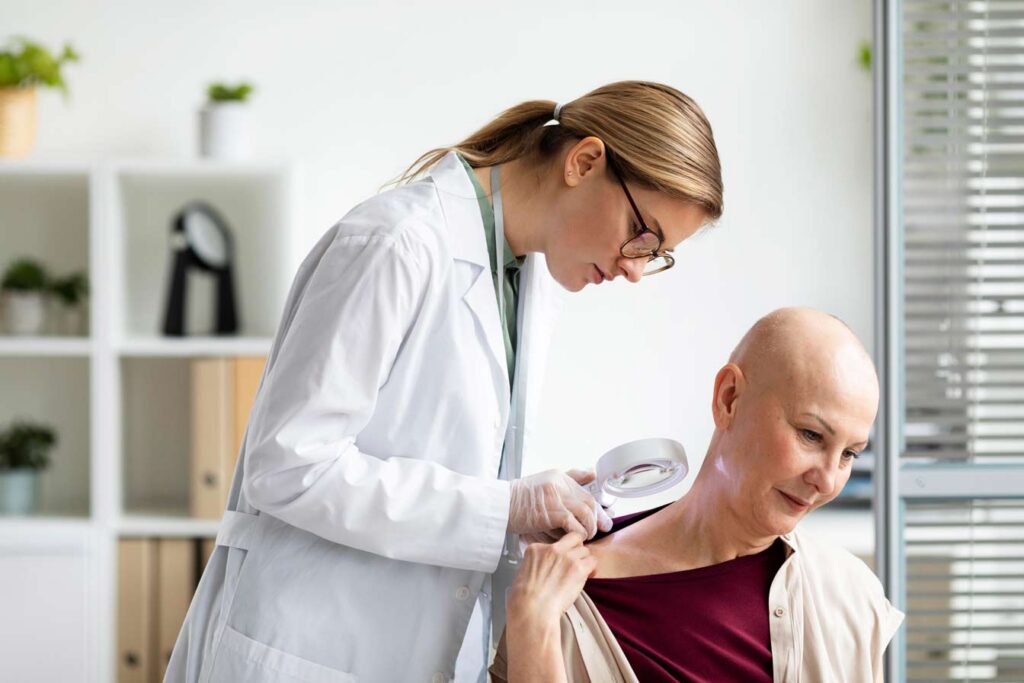

What Is an Oncology Consultation?
An oncology consultation is a specialist medical appointment where your test results, scans, or biopsy findings are reviewed in detail.
The aim is to confirm your diagnosis and stage, explain treatment options, and agree on a clear plan for your care.
At Wellbeing Medical Group, consultations are tailored to your situation and may take place before or after a confirmed diagnosis. We work closely with both private and NHS teams to ensure your care remains joined up and coordinated at every stage.
Types of Oncologists You May Meet
Depending on your diagnosis and treatment plan, you may meet:
- A medical oncologist, who manages chemotherapy, immunotherapy, and targeted therapies
- A clinical (radiation) oncologist, who plans and delivers radiotherapy
- A surgical oncologist, who performs tumour or lymph node operations
At Wellbeing Medical Group, your lead oncologist coordinates care across all disciplines, ensuring that every aspect of treatment works together safely and effectively.
Who It’s For (Typical Referral Reasons)
You may be referred for an oncology consultation if you:
- Have suspicious imaging or biopsy results that need review
- Have received a new cancer diagnosis and want to understand your options
- Are seeking a second opinion on treatment or test results
- Need help managing symptoms or side effects from ongoing therapy
- Want to plan long-term survivorship and wellbeing after treatment
Our oncologists provide clear explanations and supportive discussions so you always understand your next steps.
Medical vs Clinical Oncologist (UK)
In the UK, a clinical oncologist is trained to provide both radiotherapy and certain drug treatments, such as chemotherapy or immunotherapy.
A medical oncologist focuses mainly on systemic therapies, including targeted drugs, hormonal therapy, and immunotherapy, while working closely with surgeons and clinical oncologists for joint planning.
Both specialists collaborate through regular multidisciplinary meetings to review each patient’s case and ensure consistency across treatment settings.
Multidisciplinary Team (MDT) Coordination
All care plans are discussed through MDT meetings or tumour boards, where oncologists, radiologists, pathologists, and nurses share expertise to agree on the best approach.
At Wellbeing Medical Group, our team also communicates with your GP, NHS oncology team, and community services, ensuring your private and NHS care stay aligned.You will receive a written care plan after each session. Where suitable, prescriptions or referrals for local services can be arranged. Most patients begin with a 45-minute review and schedule short follow-ups every few weeks to monitor progress.
When to Book Sooner
You should arrange an urgent appointment or call 111 if you have new or worsening symptoms such as:
- Uncontrolled or severe pain
- Unexplained weight loss or fatigue
- Neurological changes such as weakness, confusion, or numbness
- Bleeding that does not stop
- Breathlessness or chest discomfort
If symptoms are severe or rapidly worsening, call 999 or go to your nearest emergency department.
Telemedicine vs In-Clinic
You can choose to meet your oncologist in person at our London clinic or through UK-wide telemedicine.
Telemedicine consultations are ideal for reviewing results, discussing treatment options, and planning follow-up. In-person visits are essential when a physical examination, procedure, or diagnostic review is required.
Both formats are supported by the same consultants and clinical governance, ensuring you receive consistent and safe advice wherever you are.
Book Your Oncology Consultation
If you or someone you love is facing a cancer diagnosis, you deserve clear answers and expert guidance. At Wellbeing Medical Group, our consultants take time to listen, explain every option, and create a plan that feels right for you.
Appointments are available in our London clinic, through UK-wide telemedicine, or as part of our home and mobile services, so you can access specialist care wherever you are most comfortable.
All consultations are led by GMC-registered oncology specialists, using research-backed treatment protocols and supported by UK-wide coordination with NHS and private cancer centres. From diagnosis to recovery, our focus is your comfort, confidence, and quality of life.
How to Prepare for Your Consultation
Preparing in advance can help you feel more relaxed and make the most of your oncology consultation. Knowing what to bring and what to expect allows your specialist to give the clearest advice and tailor your plan effectively.
Bring These Documents
Please bring the following to your first appointment:
Photo ID for registrationReferral or GP letter (if you have one) Imaging CDs or secure links for scans such as CT, MRI, or PET Pathology or biopsy reports
Hospital discharge letters or clinic summaries from other providers
Medicines and Allergies List
Bring a full list of current medicines, including:
Prescription and over-the-counter drugs Supplements or herbal remedies Any chemotherapy or cancer treatments you have received before
If you have any allergies or sensitivities, please note them clearly. This ensures safe prescribing and helps avoid unwanted side effects.
Your Questions and Priorities
It can be easy to forget questions during your appointment. Writing them down beforehand helps make sure everything important is covered. You may want to ask about:
The goals of treatment (cure, control, or comfort) Possible side effects and how to manage them Fertility, work, or activity during treatment Clinical trials or newer treatment options Complementary therapies such as nutrition or IV support
Bring a Support Person
You are welcome to bring a family member or friend to your consultation. They can help take notes, ask questions, and offer emotional support.
Having another person with you often makes it easier to process information and remember key details.
Access and Practicalities
Appointments can take place at our London clinic or via telemedicine. If visiting in person, please check:
Location, parking, or public transport routes Any mobility or accessibility needs How to share your consent for remote video consultations if using telemedicine
Our team will confirm these details in advance to help your visit run smoothly.
Information Sharing and Consent
With your permission, we can access relevant NHS or hospital records and share updates with your GP or oncology team. This helps maintain continuity and avoids duplication of care.
Consent is always obtained before reviewing or sharing any medical information, ensuring your privacy and preferences are fully respected.
What to Expect at Your First Visit (Step-by-Step)
Your first oncology consultation is designed to give you a clear understanding of your diagnosis, treatment options, and support plan.
The appointment usually lasts 60 to 90 minutes, allowing enough time to review your medical history, discuss results, and answer all your questions.
At Wellbeing Medical Group, this process is structured but unhurried, ensuring every patient feels listened to and supported from the moment they arrive.
Welcome and Triage
You’ll be greeted by a member of our nursing or administrative team, who will help you check in, confirm your details, and record your vital signs such as blood pressure, temperature, and weight.
The nurse will ask about any urgent concerns or new symptoms and outline what will happen during your visit. This helps the consultant understand your immediate needs before your review begins.
History and Symptom Review
Your oncologist will take time to understand your full medical history, including past illnesses, family cancer history, and any current medications or allergies.
You will also be asked about symptoms such as pain, fatigue, appetite, or mobility, and may be asked to score them on a simple scale. This helps identify how cancer or treatment may be affecting daily life.
Physical Examination
A focused physical examination may be performed if needed to check areas relevant to your diagnosis. Your oncologist may also assess your performance status (for example, using the ECOG or WHO scale) to help guide treatment planning and safety.
If an examination is not required, your doctor will explain why and move directly to reviewing your test results.
Results and Staging Review
Your consultant will go through your imaging, pathology, and biomarker results, explaining what they mean in plain language.
They will clarify how staging works, for example, how tumour size, lymph node involvement, and spread influence your treatment plan. Any uncertainties will be discussed honestly, with further tests arranged if needed.
Treatment Options Overview
Once your results are clear, the oncologist will outline the main treatment options that apply to your cancer type. These may include:
- Surgery to remove the tumour
- Radiotherapy to target specific areas
- Systemic therapies such as chemotherapy, immunotherapy, targeted drugs, or hormonal therapy
For each option, the consultant will explain its purpose, expected outcomes, and possible side effects, helping you understand both benefits and risks.
Supportive and Integrative Options
Alongside standard treatments, you can discuss evidence-informed complementary therapies that may improve wellbeing during and after cancer treatment.
At Wellbeing Medical Group, this may include IV Vitamin C, Mistletoe Therapy, or Oxygenation and Ozone Protocols, all provided under medical supervision with appropriate safety screening and governance.
These are used to support recovery and comfort, not as replacements for conventional care — and are reviewed alongside your oncology plan.
Clinical Trials and Second Opinions
Your oncologist will check if any clinical trials or research programmes may be suitable for your cancer type or treatment phase.
You are also encouraged to request a second opinion at any time.
The team can help coordinate this across trusted cancer centres in the UK or abroad to ensure continuity and access to the latest evidence-based options.
Shared Decision and Consent
All decisions are made together, with time to ask questions and think through your options. Your consultant will explain the benefits, side effects, and alternatives before asking for formal consent.
You can always take time to consider or discuss your plan with family before confirming your choices.
Personalised Plan and Education
Before you leave, you will receive a written summary of your consultation, including next steps and contact details.
You may also be given information leaflets or access to our secure digital patient portal, where you can review your plan, upload new reports, and message your care team for follow-up questions.
Next Steps and Scheduling
Before you finish your visit, our team will help you book any scans, blood tests, or referrals required for your ongoing care.
We will also confirm your follow-up schedule, which may include telemedicine check-ins for convenience. Every patient receives clear instructions on how to contact the clinic between appointments for advice or reassurance.
You’ll be greeted by a member of our nursing or administrative team, who will help you check in, confirm your details, and record your vital signs such as blood pressure, temperature, and weight.
The nurse will ask about any urgent concerns or new symptoms and outline what will happen during your visit. This helps the consultant understand your immediate needs before your review begins.
Dr Saskia will take time to understand your full medical history, including past illnesses, family cancer history, and any current medications or allergies.
You will also be asked about symptoms such as pain, fatigue, appetite, or mobility, and may be asked to score them on a simple scale. This helps identify how cancer or treatment may be affecting daily life.
A focused physical examination may be performed if needed to check areas relevant to your diagnosis. Your oncologist may also assess your performance status (for example, using the ECOG or WHO scale) to help guide treatment planning and safety.
If an examination is not required, your doctor will explain why and move directly to reviewing your test results.
Dr Saskia will go through your imaging, pathology, and biomarker results, explaining what they mean in plain language.
They will clarify how staging works, for example, how tumour size, lymph node involvement, and spread influence your treatment plan. Any uncertainties will be discussed honestly, with further tests arranged if needed.
Once your results are clear, Dr Saskia will outline the main treatment options that apply to your cancer type. These may include:
- Surgery to remove the tumour
- Radiotherapy to target specific areas
- Systemic therapies such as chemotherapy, immunotherapy, targeted drugs, or hormonal therapy
For each option, the consultant will explain its purpose, expected outcomes, and possible side effects, helping you understand both benefits and risks.
Alongside standard treatments, you can discuss evidence-informed complementary therapies that may improve wellbeing during and after cancer treatment.
At Wellbeing Medical Group, this may include IV Vitamin C, Mistletoe Therapy, or Oxygenation and Ozone Protocols, all provided under medical supervision with appropriate safety screening and governance.
These are used to support recovery and comfort, not as replacements for conventional care — and are reviewed alongside your oncology plan.
Dr Saskia will check if any clinical trials or research programmes may be suitable for your cancer type or treatment phase.
You are also encouraged to request a second opinion at any time.
The team can help coordinate this across trusted cancer centres in the UK or abroad to ensure continuity and access to the latest evidence-based options.
All decisions are made together, with time to ask questions and think through your options. Your consultant will explain the benefits, side effects, and alternatives before asking for formal consent.
You can always take time to consider or discuss your plan with family before confirming your choices.
Before you leave, you will receive a written summary of your consultation, including next steps and contact details.
You may also be given information leaflets or access to our secure digital patient portal, where you can review your plan, upload new reports, and message your care team for follow-up questions.
Before you finish your visit, our team will help you book any scans, blood tests, or referrals required for your ongoing care.
We will also confirm your follow-up schedule, which may include telemedicine check-ins for convenience. Every patient receives clear instructions on how to contact the clinic between appointments for advice or reassurance.
Tests and Assessments We Commonly Arrange
During or after your oncology consultation, your specialist may arrange tests to confirm details of your diagnosis, assess treatment suitability, or monitor progress. Each test is carefully selected to avoid unnecessary duplication and is explained clearly before it takes place.
Results are reviewed by your consultant and shared with you directly, either in person or via secure telemedicine follow-up.
Blood tests provide an important baseline before treatment begins. These may include:
- Full Blood Count (FBC) to assess red and white cell levels
- Kidney (U&E) and liver function tests (LFTs)
- Tumour markers, where relevant, to help monitor response to therapy
Your consultant will explain which markers apply to your cancer type and how results will be used to guide care.
Imaging helps your oncologist understand the size, location, and spread of disease. You may be referred for a CT, MRI, or PET-CT scan depending on your diagnosis.
If contrast dye is used, the team will check for allergies and kidney safety before proceeding. Images and reports are shared securely with both Wellbeing Medical Group and your NHS or private specialists to maintain continuity.
A biopsy confirms the cancer type and its features under the microscope. The pathology report may include details such as tumour grade, receptor status, and margins.
If you have already had a biopsy elsewhere, our team can request the slides for re-review by a specialist pathologist to confirm accuracy and guide future treatment planning.
Each visit includes a safety check, consent review, and after-care guidance. Home therapy allows you to continue treatment comfortably while keeping close contact with our clinical team.
In some cases, your oncologist may recommend genomic testing to look for specific mutations that could influence treatment choices.
Results from molecular profiling can help identify targeted therapies or immunotherapies that are more likely to work for your cancer type. Turnaround times vary, and your consultant will discuss what to expect and how results may affect your care plan.
Before starting therapy, you may need a fitness assessment to ensure your body is ready for treatment. This can include:
- Cardio-oncology screening to assess heart health before certain drugs
- Fertility preservation discussions for patients of childbearing age
- A vaccination review to reduce infection risks during therapy
These checks help tailor treatment safely to your individual needs.

Our Integrated Oncology Philosophy
At Wellbeing Medical Group, we combine the best of conventional cancer treatment with carefully selected supportive and complementary therapies.
Our goal is to help you feel stronger, recover faster, and manage side effects safely while keeping your medical care fully evidence-informed.
Every treatment plan is reviewed by oncology specialists, with transparent coordination between your private and NHS teams to ensure there are no conflicts with ongoing therapy.
Your oncology care is always designed to work alongside your NHS or hospital-based treatment. We share letters, test results, and progress notes securely with your primary team (with your consent) to maintain continuity.
Urgent findings or new symptoms are promptly communicated through established escalation pathways, ensuring that decisions are made collaboratively and safely. This joined-up approach prevents duplication and keeps all teams informed.
In addition to standard care, we offer evidence-informed supportive therapies that can improve comfort and quality of life during treatment. These may include:
- IV Vitamin C therapy to support energy, immunity, and wellbeing
- Mistletoe therapy for symptom relief and immune modulation
- Oxygenation and Ozone protocols to promote tissue recovery and reduce fatigue
All treatments are screened for safety and potential interactions with chemotherapy, radiotherapy, or immunotherapy.
Careful monitoring and clear governance ensure that every therapy is used as an adjunct to medical treatment, not as a replacement.
Managing side effects early helps maintain strength and quality of life. Our clinicians provide:
- Antiemetic plans for nausea and sickness
- Neuropathy prevention advice, including hand–foot care and vitamin guidance
- Bowel management plans to prevent constipation or diarrhoea
- Fatigue and sleep support programmes with relaxation and pacing techniques
These measures help you stay comfortable and able to continue treatment with fewer interruptions.
Our supportive care extends beyond the clinic to help you regain balance and independence. You’ll receive practical advice on:
- Exercise and movement tailored to your energy levels
- Nutrition for recovery and immune support
- Smoking and alcohol reduction, if relevant
- Stress and mood management, including mindfulness and counselling
- Return-to-work planning and guidance for daily routines
Each element is personalised to promote long-term wellbeing and resilience.
We continually measure the impact of our care using Patient-Reported Outcome Measures (PROMs) such as pain, fatigue, and quality of life. We also maintain toxicity and side-effect logs, reviewed at each visit.
Any significant change triggers timely escalation or treatment review, helping ensure care remains safe, responsive, and effective throughout your treatment journey.


Access, Locations and Pricing
Patients can access oncology consultations and supportive care through Wellbeing Medical Group’s London clinic, or remotely through UK-wide telemedicine and home-based nursing support.
Our services are available to both self-paying patients and those using private medical insurance, with clear pricing and itemised receipts provided after every visit.
Many oncology and follow-up appointments can be carried out safely through secure video consultations. These include discussions about test results, treatment reviews, side-effect management, and care planning.
When prescriptions are needed, your consultant can issue electronic prescriptions to your chosen pharmacy.
Follow-up reviews are scheduled at regular intervals to ensure safe monitoring of treatment and wellbeing. Patients are encouraged to contact the team between appointments if new symptoms arise or advice is needed.
Where appropriate, patients can receive certain treatments or reviews at home. Our nursing and therapy team provides visits for assessments, symptom management, and selected infusions when clinically suitable.
Before starting any home-based therapy, safety checks are carried out to ensure the environment and equipment meet medical standards. The clinical team remains in contact throughout each visit, ensuring care at home is as safe and closely monitored as it would be in clinic.
Consultations are available on a self-pay basis or through recognised UK health insurers. Fees for new patient oncology consultations vary according to the specialist and appointment length but are always confirmed before booking.
Each consultation includes a detailed medical review, written summary, and follow-up recommendations.
Itemised receipts are provided for insurance claims or personal records. The team can assist with pre-authorisation letters and documentation for insured patients, ensuring transparency and clarity around every charge.
GMC-Registered Doctors
Research-Backed Protocols
Tailored to Your Diagnosis
Trusted by Hundreds
Contact us for a free consultation.
Mon – Fri 9:00am – 6:00pm

Frequently Asked Questions
You will usually start with a review of your medical history and symptoms, followed by a focused examination if needed. Your consultant then explains test results, discusses treatment options, and agrees on next steps with you before arranging any follow-up.
Prognosis is never exact. Oncologists can share typical ranges based on how the cancer behaves and how well treatment is working, but every person responds differently. The focus is always on maximising quality of life and reviewing progress regularly. You are welcome to seek a second opinion at any time.
It means meeting a cancer specialist to clarify your diagnosis, review results, and plan treatment or follow-up. The consultation helps you understand your condition, options, and referrals for further investigations or supportive care.
An oncology consultant is a senior cancer specialist responsible for confirming diagnosis and stage, planning and overseeing treatment, managing side effects, and coordinating care with surgeons, radiologists, and other teams.
The first oncology consultation usually lasts between 60 and 90 minutes, depending on the complexity of your case.
Your oncologist may ask about current symptoms, treatment goals, previous illnesses, medications, allergies, and family history. They may also discuss lifestyle factors and personal preferences that could affect treatment planning.
Your oncologist may arrange blood tests, imaging such as CT or MRI scans, or a biopsy for confirmation. These investigations are not always performed on the same day but are scheduled promptly when needed.
Referrals are made when a scan or biopsy looks suspicious, after a new cancer diagnosis, or for a second opinion on existing treatment. Some patients are also referred for help managing symptoms or side effects.
Common treatments include surgery, radiotherapy, chemotherapy, hormonal (endocrine) therapy, targeted therapy, immunotherapy, and supportive or integrative care to manage side effects.
Yes. In the UK, a consultant is a senior doctor who has completed specialist training and holds full responsibility for a patient’s care. Consultants lead clinical teams within both NHS and private practice settings.