
Palliative Care Support for Comfort and Quality of Life
Palliative care is about more than managing symptoms. It is compassionate, specialist support that focuses on comfort, dignity, and quality of life for both patients and their families.
At Wellbeing Medical Group, a private cancer care clinic in London, we provide personalised palliative care for people at any stage of illness, whether alongside active treatment or during later phases of care.
Our services combine medical expertise with emotional, physical, and practical support, helping patients feel more comfortable and in control. Care is available in our London clinic, through UK-wide telemedicine, or as part of our home and mobile therapy programmes, ensuring continuity wherever you are.
Our aim is to help you live as well and as comfortably as possible, with the support of a compassionate team who truly understands the challenges of cancer and long-term illness.


What Is Palliative Care Support?
Palliative care helps people living with cancer or other serious illnesses feel more comfortable and supported. It focuses on relieving symptoms, easing side effects, and improving daily life for both patients and their families.
At Wellbeing Medical Group, palliative care can begin at any stage of illness. You do not need to stop active treatment such as chemotherapy or radiotherapy to receive it. Our team works alongside your oncology care to help manage pain, tiredness, or anxiety, and to support your physical and emotional wellbeing.
Palliative care is for anyone who needs extra help coping with the effects of illness or treatment. It can be especially helpful when:
- Pain or fatigue are hard to control
- Sleep deprivation
- Difficulties eating or drinking water
- Frequent hospital visits are making life at home difficult
Starting palliative care early gives you more time to plan, feel supported, and stay as well as possible throughout your treatment journey.
Every person has different priorities. Together, we set clear and achievable goals, such as hydration support, improved sleep, or feeling well enough to spend more time at home.
Your plan is reviewed regularly so it always reflects what matters most to you. Through shared decision-making, we work with you to balance comfort, independence, and quality of life.
In the UK, palliative care can start soon after diagnosis and continue while treatment is ongoing. It focuses on managing symptoms and supporting you to live well day to day.
End-of-life or hospice care is usually introduced in the final months of life, when treatment is no longer controlling the disease and the main focus is comfort and family support.
Both share the same compassionate approach, but palliative care begins much earlier and is centred on helping you live as well as possible for as long as possible.
Palliative care at Wellbeing Medical Group is available in several settings to suit your needs:
- At our London clinic for consultations and follow-up appointments
- At home, with mobile nursing and therapy visits across the UK
- In care homes or hospitals, coordinated with your existing care teams
- Through telemedicine, for regular reviews and care planning wherever you are
This ensures you can receive expert support in the place that feels safest and most comfortable for you, whether that is at home, in clinic, or within another care setting.
Our Multidisciplinary Approach (Clinic, Telemedicine and Home)
At Wellbeing Medical Group, palliative care is delivered through a multidisciplinary team that works closely with you, your family, and your existing NHS or oncology teams. This approach brings together medical expertise and emotional, physical, and practical support in one coordinated plan.
Care is offered in our London clinic, through telemedicine consultations, and at home across the UK, allowing you to receive ongoing support wherever you feel most comfortable.
Your care team may include:
- A consultant in integrative oncology overseeing treatment and coordination
- A palliative care or pain specialist for advanced symptom control
- A nurse providing education, monitoring, and practical care
This combination of professionals ensures that every aspect of care is covered — from pain relief and medication to emotional support and independence at home.
All care is provided under clear clinical governance standards. Before starting any treatment, your team carries out safety checks including medication reviews, allergy status, and risk assessments.
We document consent and capacity clearly and maintain up-to-date safeguarding procedures. With your permission, we can share letters and updates with your GP, NHS oncology, or palliative teams to ensure seamless communication.
If travelling is difficult, you can meet your care team through secure video consultations. Each review includes a symptom check, discussion of medication or side effects, and anticipatory care planning.
Where appropriate, prescriptions are sent electronically to your preferred pharmacy. Our team arranges regular remote reviews to track progress, make dose adjustments, and address new symptoms promptly.
For patients who prefer care at home, we provide mobile visits across much of the UK. During these visits, clinicians can:
- Carry out medical assessments and symptom reviews
- Support medication titration and monitor response
- Advise on equipment and comfort aids
- Provide education for carers and family members
- Coordinate with district nurses or community teams to maintain continuity
This home-based service helps patients receive professional care in familiar surroundings, reducing stress and hospital visits while ensuring safety and comfort.
Palliative care helps people living with cancer or other serious illnesses feel more comfortable and supported. It focuses on relieving symptoms, easing side effects, and improving daily life for both patients and their families.
At Wellbeing Medical Group, palliative care can begin at any stage of illness. You do not need to stop active treatment such as chemotherapy or radiotherapy to receive it. Our team works alongside your oncology care to help manage pain, tiredness, or anxiety, and to support your physical and emotional wellbeing.

Symptom Management: Pain and Physical Comfort
Managing symptoms well can make a big difference to comfort, confidence, and overall wellbeing.
At Wellbeing Medical Group, every treatment plan follows NICE and WHO principles, using safe, evidence-based options that are reviewed regularly to keep side effects minimal and control consistent.
Your care team will help you understand each treatment, how to use medicines correctly, and what to expect. Regular reviews and open communication ensure that any new symptoms are addressed early.
Cancer Pain Control
Pain can come from the cancer itself, treatment effects, or other causes. Your team uses the WHO pain ladder and NICE guidance to create an individual plan that usually includes: Regular pain relief to maintain steady comfort Breakthrough medicines for sudden pain Adjuvant drugs for nerve and bone pain If pain remains difficult to control, you may be referred to your NHS team for interventional procedures such as targeted nerve blocks or spinal therapies. Every plan is reviewed frequently to ensure safety and effectiveness.
Breathlessness and Anxiety
Breathlessness can cause anxiety, and anxiety can in turn make breathing more difficult. Your team will show you simple techniques such as using a handheld fan, finding comfortable sitting positions, and pacing activity to reduce effort.
If symptoms persist, medication may be used to ease breathlessness and calm anxiety. Psychological support and relaxation strategies are also offered, helping you stay more relaxed and in control.
Nausea, Appetite and Fatigue
These symptoms are common during treatment or advanced illness. The team will review possible causes such as medication side effects, stomach irritation, or metabolic changes.
Care options may include anti-sickness medicines, steroids to improve appetite, or dietary adjustments.
Our practitioners also give energy conservation tips and gentle exercise guidance to help manage fatigue.
Nutrition support is provided where needed to maintain strength and recovery.
Bowel Care and Mouth or Skin Comfort
Digestive and skin health can affect overall comfort. We help manage constipation or diarrhoea with individualised plans that include medication review, hydration, and dietary guidance.
For mouth or throat soreness (mucositis), we provide gentle mouth care routines and prescribed rinses to reduce pain and risk of infection.
Skin and pressure care are supported with protective dressings, repositioning techniques, and sleep hygiene advice to maintain comfort and prevent complications.
Emotional, Spiritual and Social Support
Palliative care looks after the whole person, not just the illness.
At Wellbeing Medical Group, support extends to emotional health, spiritual wellbeing, and the needs of family members and carers.
This helps patients and families feel more prepared, connected, and supported throughout their care journey.
-
Psychological Support and Counselling:
Living with cancer or a serious illness can bring feelings of anxiety, sadness, or uncertainty. Our trained consultants offer space to talk, reflect, and build coping strategies that promote confidence and peace of mind.Sessions may be arranged one-to-one or with family members, depending on what feels most helpful. We can also signpost local and national support groups for shared experiences and community connection.
-
Spiritual Care (on Request):
Spiritual care is available for anyone who wishes to explore meaning, faith, or values during illness. We work with trusted referral networks who respect all beliefs and cultural backgrounds. -
Support for Family and Carers:
Carers are an essential part of the care team and deserve support too. We provide career education and training, respite options, and access to 24-hour escalation pathways if urgent advice or help is needed.

Advance Care Planning and Legal Choices (UK)
Advance care planning helps you make important decisions about future care while you have the capacity and confidence to do so.
It ensures that your wishes are understood, respected, and shared with those involved in your care.
At Wellbeing Medical Group, we guide patients and families through this process with sensitivity and clarity. Plans are made at your pace and revisited whenever your situation or preferences change.
An Advance Care Plan (ACP) records what matters most to you, such as your preferred place of care or death, the treatments you would or would not want, and how you wish to be supported at home or in hospital.
Discussions about Do Not Attempt Cardiopulmonary Resuscitation (DNACPR) and treatment ceilings are usually completed with your NHS team.
When health declines, having a clear plan in place brings peace of mind to both patients and families.
Anticipatory medicines can be prescribed in advance to relieve symptoms such as pain, breathlessness, or anxiety during the final days.
Syringe drivers are used when regular medicines become difficult to take by mouth, and these are managed by your NHS specialist nursing teams.
Patients and families receive guidance on what to expect and who to contact out of hours for immediate support.
In England and Wales, a Lasting Power of Attorney (LPA) allows you to legally appoint someone you trust to make decisions about your health or finances if you are unable to do so.
We provide basic guidance and signposting to official government resources.
It is important to understand that next of kin do not automatically have legal authority unless appointed as an LPA, so recording your preferences early can avoid uncertainty later on.

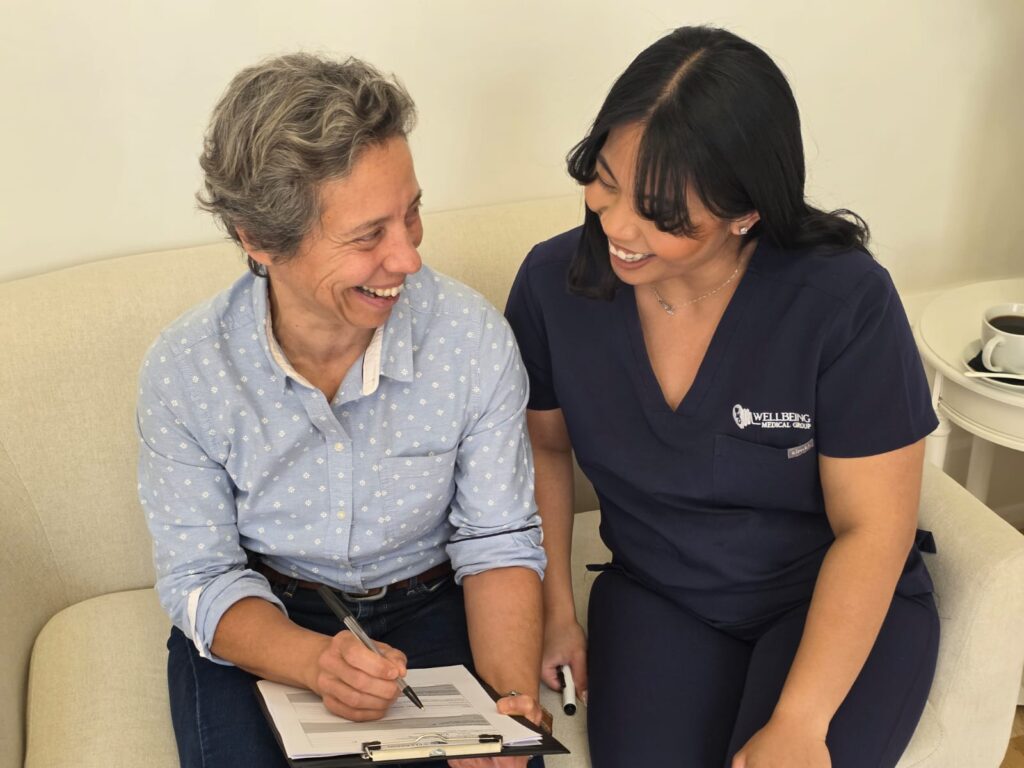
Integrative and Non-Drug Therapies
Alongside medical treatment, some gentle therapies can help ease symptoms and improve daily comfort.
At Wellbeing Medical Group, these therapies are always delivered by trained professionals and chosen to work safely with your main treatment plan.
Physiotherapists and occupational therapists can help you move more easily, prevent falls, and manage tiredness. They give simple, practical advice on:
- Comfortable positions for sitting or resting
- Safe exercises to keep muscles active
- Mobility aids or home adjustments to make daily tasks easier
- Pacing activities to save energy
These small changes can make a big difference to comfort and independence at home.
Relaxation and breathing exercises can calm the body and mind. Our team can guide you through gentle mindfulness, breathing, or visualisation techniques to reduce stress and improve rest.
Simple steps such as keeping a regular bedtime routine or using quiet relaxation before sleep often help both patients and carers feel more settled and rested.
Gentle massage or therapeutic touch can help with relaxation and comfort when carried out by a practitioner trained in cancer care.
These techniques are always adapted to your medical situation for safety.
Acupuncture may be discussed for certain symptoms such as pain or nausea. Before treatment, your practitioner will check for any medical reasons not to proceed, such as low immunity or treatment-related risks.
Good nutrition helps you stay strong and maintain energy. We offer simple, symptom-based advice such as:
- Adjusting food textures if swallowing is difficult
- Tips for nausea, taste changes, or poor appetite
- Ideas for small, frequent meals and drinks throughout the day
If needed, we can refer you to a specialist oncology dietitian for more detailed guidance and meal planning.

Accessing Palliative Care at Wellbeing Medical Group
Palliative care at Wellbeing Medical Group is available for adults living with cancer or other serious illnesses who need help managing symptoms or planning ongoing care.
You can self-refer directly. Appointments are available at our London clinic, through UK-wide telemedicine, or as part of our home-visit service.
Both self-pay and insurance-covered options are accepted. Our team can help you confirm eligibility and guide you through next steps.
Your first appointment can take place in person or online through a secure video link. The following would be required:
- A list of current medications
- Any recent hospital letters or test results
- A note of your main concerns or goals
You will meet one of our consultants or specialist nurses who will review your symptoms, discuss treatment options, and answer any questions.
The appointment usually lasts 25–40 minutes. Afterward, you will receive a written care plan summarising the discussion and next steps.
Follow-up reviews are arranged soon after the first appointment to check progress and adjust treatment if needed.
Early reviews are usually weekly or fortnightly, then spaced further apart once symptoms are stable.
Remote check-ins and monitoring calls help track side effects or new symptoms. If your pain or wellbeing changes suddenly, the team will guide you on how to contact the emergency services for prompt review.
With your consent, our clinicians share letters, updates, and test results with your NHS or palliative care teams. We also liaise with community nurses and local hospices where appropriate, ensuring care remains continuous and well-coordinated.
This joined-up approach helps everyone involved in your care work together to support your comfort, safety, and quality of life.
Speak With Our Consultant & Medical Team Today
You don’t have to manage pain or uncertainty on your own. Our palliative care specialists at Wellbeing Medical Group are here to help you feel more comfortable, supported, and in control.
Whether you are beginning treatment, adjusting to side effects, or planning ahead, we can guide you through every stage with understanding and expert care.
Appointments are available in our London clinic, or through UK-wide telemedicine and home visits, so help is always within reach.
Take the first step towards feeling better and more supported.
GMC-Registered Doctors
Research-Backed Protocols
Tailor Designed Approach
Trusted by Thousands
Frequently Asked Questions
Palliative care supports comfort in every sense. It controls symptoms, eases pain, provides psychological and spiritual support, and helps families plan care in the preferred setting, whether at home, in a clinic, or a hospice.
We focus on personal goals such as better sleep, improved appetite and hydration, gentle activity, and nutrition. Regular symptom reviews, physiotherapy, and emotional or family support help maintain wellbeing and a sense of meaning.
Palliative care can begin months or even years before the final stage. End-of-life or hospice care usually supports the last few months when the focus shifts fully to comfort and family support.
It is based on need, not the diagnosis stage. Palliative care starts when symptoms become hard to manage, decisions feel complex, or carers need extra help and guidance.
Common signs include increased sleep, loss of appetite, reduced fluid intake, changes in breathing, and periods of confusion or withdrawal. Families should contact their care team for reassurance and advice at any stage.
Palliative care may help when a person faces repeated health crises, ongoing distressing symptoms, emotional strain, or caregiver fatigue. Early support can prevent decline and reduce hospital visits.
Private palliative care can be self-funded or covered by insurance, while some services are available through the NHS or local authorities. At Wellbeing Medical Group, we coordinate private care with statutory providers to make continuity as smooth as possible.
There are four recognised patterns: sudden death, terminal illness, organ failure, and frailty or dementia-related decline. Understanding these patterns helps families prepare and plan appropriate support.
Decisions are made together by the patient, family, and clinical team. Where capacity is limited, best-interest discussions and legal guidance ensure that care reflects the person’s values and wishes.
Warning signs include weight loss, repeated infections, reduced mobility, and more frequent hospital stays. The focus then shifts to comfort, daily support, and maintaining dignity.
Home-based care includes regular reviews, symptom checks, and support with Micronutrient and hydration IV infusions, ensuring safe administration and monitoring at home. Anticipatory medicines can be provided through partner teams and access to 24-hour support pathways. Families receive clear instructions and coaching to feel confident in providing care, recognising when to seek help.
Mon – Fri 9:00am – 6:00pm